
Understand it. Then fix it.
Practical explanations, worked examples and checks you can repeat on your own domain.
19 guides
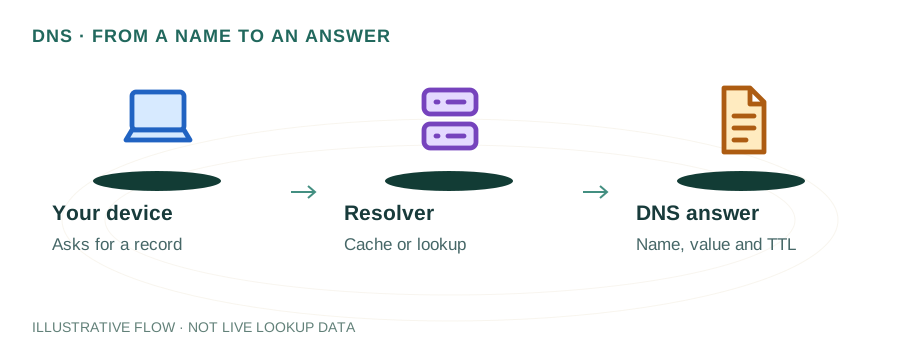
DNS records: a practical starting point
Choose the DNS record that answers your question, then verify its value with a public lookup and your provider’s configuration.
Read the guide ↗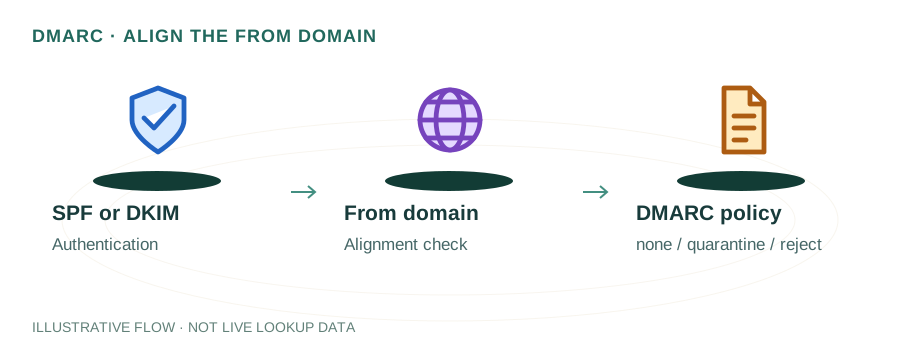
Email Authentication Guide - SPF, DKIM, DMARC Explained
See how SPF, DKIM and DMARC work together, what each check proves, and how to verify your published policies.
Read the guide ↗DNS FAQ - Frequently Asked Questions About DNS
Find answers about DNS record types, caching, nameservers and email authentication, with links to practical checks.
Read the guide ↗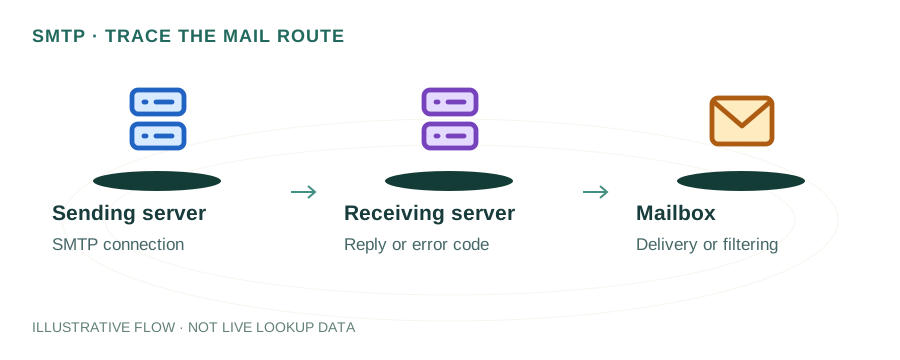
Email Deliverability Guide: SPF, DKIM & DMARC Explained
Understand authentication, sender reputation and delivery checks before investigating why a message is rejected or filtered.
Read the guide ↗How to Set Up and Test an SMTP Server
Compare SMTP ports, TLS options and authentication settings, then trace common connection and submission failures.
Read the guide ↗DNS Record Types Explained: A, MX, TXT, CNAME and More
Read examples of A, AAAA, MX, CNAME, TXT, NS and other records, and choose the type that answers your question.
Read the guide ↗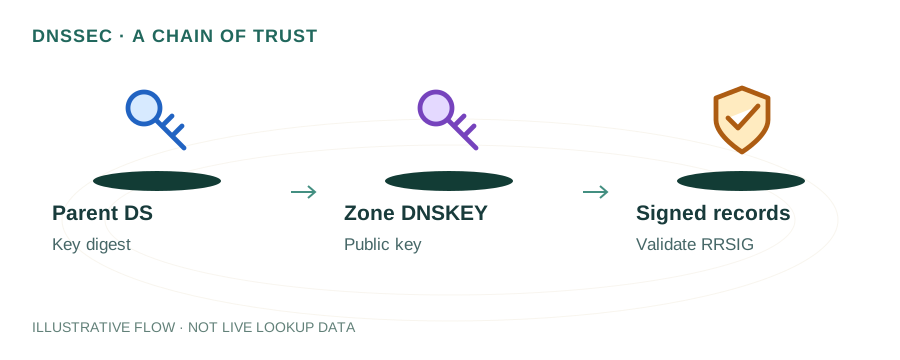
DNSSEC Explained: What It Is & How to Enable It
Follow the DNSSEC trust chain from DS to DNSKEY and signatures, and understand why validation can fail.
Read the guide ↗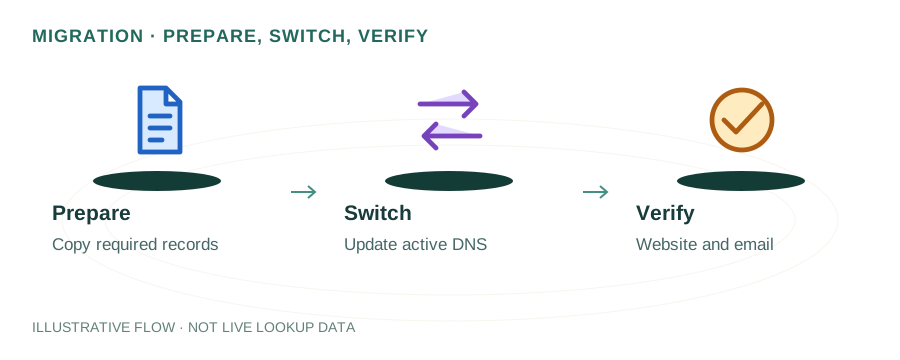
Domain Migration Checklist: The Complete Guide
Prepare records and services before a domain migration, then verify delegation, website access and email delivery.
Read the guide ↗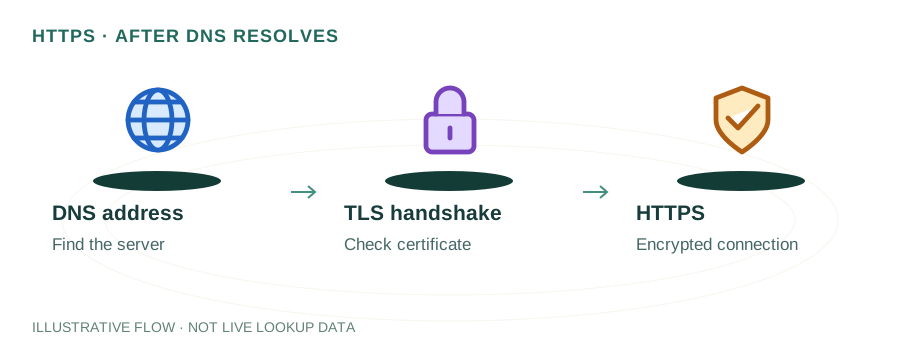
SSL/TLS for Beginners: HTTPS, Certificates & DNS
Understand certificates, HTTPS and the TLS handshake, and separate certificate problems from DNS resolution errors.
Read the guide ↗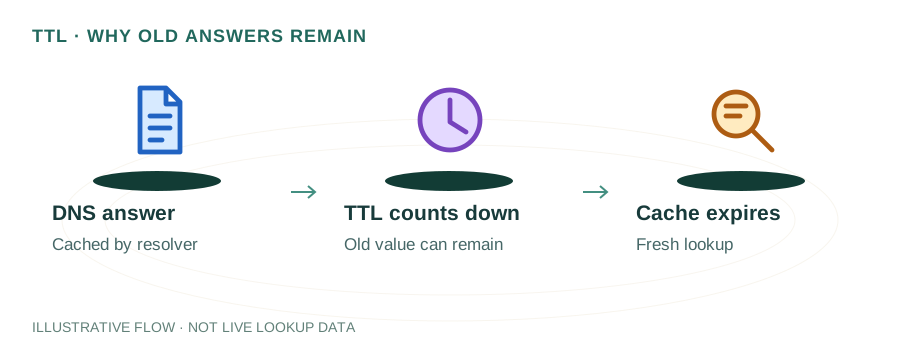
DNS Caching Explained: How TTL, Resolvers & Browsers Cache DNS
Trace cached answers through browsers and resolvers. Learn how TTL affects when a changed record becomes visible.
Read the guide ↗How to Secure Your Domain: Complete Security Checklist
Review registrar access, domain locks, DNS settings and renewal safeguards to reduce avoidable domain risks.
Read the guide ↗Email Server Troubleshooting: Complete Diagnostic Guide
Investigate a mail failure through DNS, SMTP connectivity, authentication and mailbox configuration.
Read the guide ↗How to Read Email Headers: A Complete Guide
Find the delivery route and authentication results in email headers to understand how a message reached its destination.
Read the guide ↗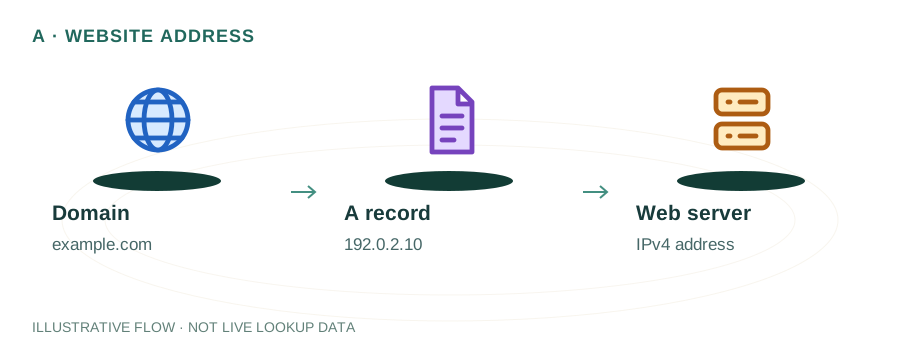
DNS Load Balancing Strategies: Round-Robin, Geolocation & Failover
Compare round-robin, location-based routing and failover, including the limits imposed by DNS caching.
Read the guide ↗Mail Server Hardening Checklist: Secure Your SMTP Server
Review TLS, authentication, relay restrictions and operational checks for a better-protected mail server.
Read the guide ↗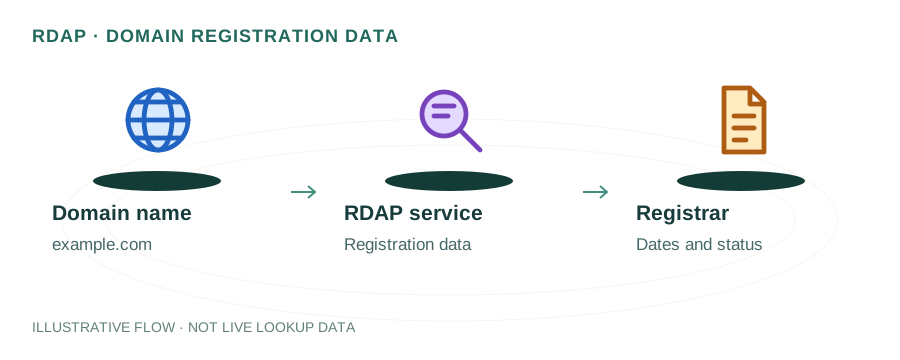
WHOIS & RDAP Lookup Guide: Domain Registration Data Explained
Read domain registration data, identify the registrar and interpret available dates, status codes and privacy limitations.
Read the guide ↗example.comOne row. Three clues to understand.
How to read a DNS lookup result
A practical walkthrough of record values, TTL, empty answers and DNS errors—with an example you can reproduce.
Read the guide ↗Move a website to cPanel without losing your DNS settings
A migration checklist that separates website files, DNS hosting and email records, with verification and rollback steps.
Read the guide ↗example.comA192.0.2.10192.0.2.20DNS troubleshooting: follow the evidence
A repeatable workflow for wrong addresses, missing records and SERVFAIL, with checks that distinguish DNS from hosting problems.
Read the guide ↗